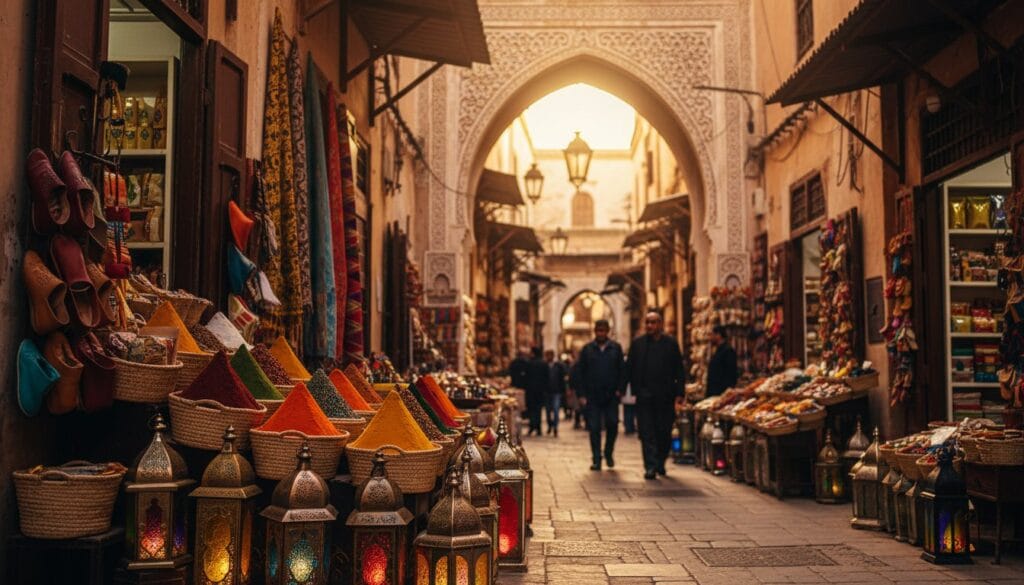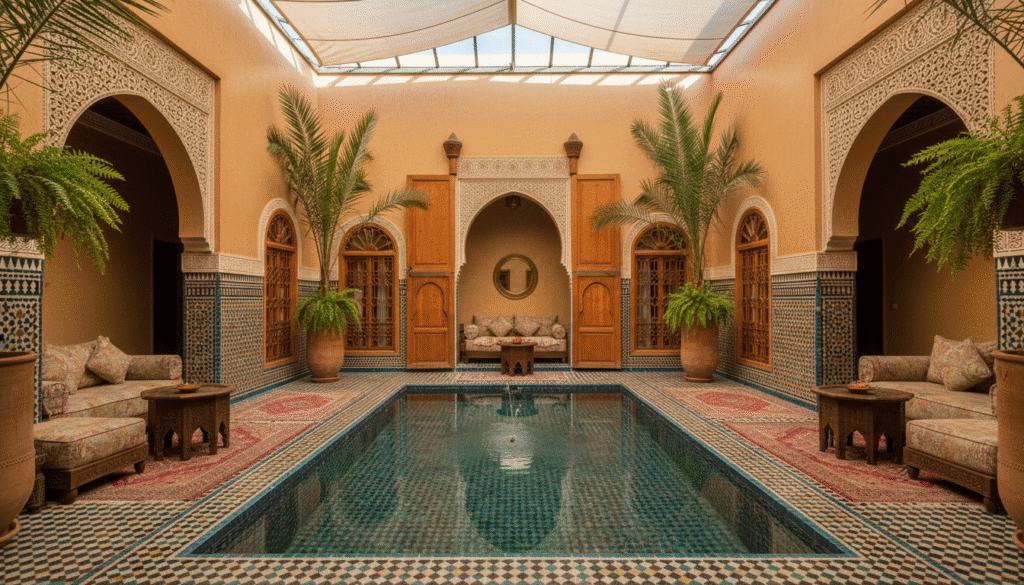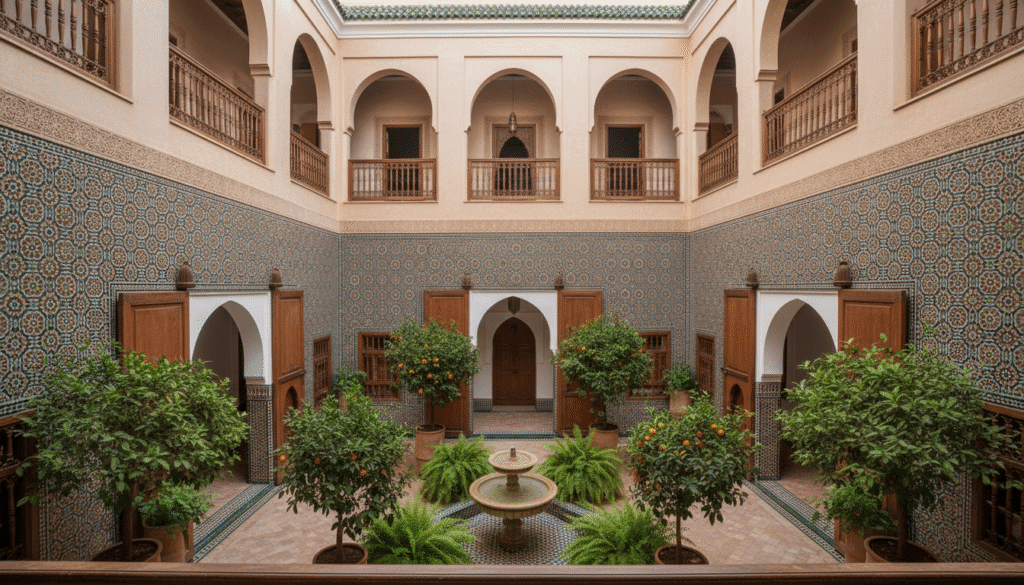
Embarking on a journey to Morocco is to step into a world of vibrant souks, enchanting riads, and sweeping desert landscapes. To ensure your experience is as seamless and elegant as possible, understanding the local currency is essential. Navigating financial transactions with ease allows you to focus on the magic of your adventure. This guide will provide you with everything you need to know about the Moroccan Dirham, tailored for the discerning luxury traveler.
What is the Currency in Morocco? Your Introduction to the Dirham
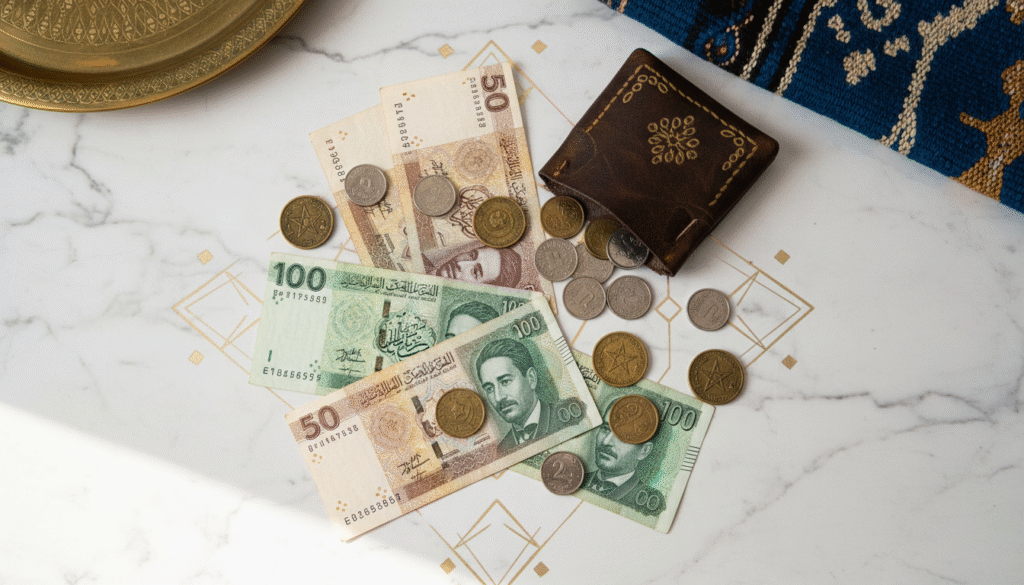
The official currency of the Kingdom of Morocco is the Moroccan Dirham, often abbreviated as MAD. You will see prices displayed locally with the symbol د.م. The Dirham is divided into 100 smaller units called santimat, which appear in coin form.
- Banknotes are commonly found in denominations of 20, 50, 100, and 200 Dirhams.
- Coins are available in 1, 2, 5, and 10 Dirhams, as well as smaller santimat coins.
It’s important to note that the Moroccan Dirham is considered a “closed currency.” This means that, officially, it cannot be exported or imported, so it is best to acquire your Dirhams once you have arrived in Morocco. With our private luxury tours, we ensure every aspect of your journey, including your financial experience, is smooth and worry-free from the moment you land.
How to Get Moroccan Dirham: Best and Safest Options
For your convenience and security, we recommend a few trusted methods for obtaining local currency upon your arrival. Your comfort and peace of mind are our highest priorities, and that extends to every transaction you make.
- ATMs: The simplest and most efficient method is to withdraw Dirhams from an ATM at the airport when you arrive. ATMs are widely available in all major cities like Marrakech, Fes, and Casablanca and generally offer fair exchange rates.
- Banks and Official Exchange Offices: You can also exchange major currencies such as US Dollars (USD), Euros (EUR), or British Pounds (GBP) at a bank or a licensed bureau de change. These are safe and regulated options.
- A Note on Safety: We strongly advise against exchanging money with unlicensed individuals on the street. To maintain your security and ensure a fair rate, always use official channels. Your private guide can always point you to a reputable location.
–
–
Using Credit Cards vs. Cash in Morocco
Morocco beautifully blends ancient traditions with modern comforts, and its payment methods reflect this. A combination of cash and credit card will provide you with the most flexibility during your travels.
- Credit Cards: Major credit cards like Visa and Mastercard are widely accepted in luxury hotels, upscale riads, fine dining restaurants, and high-end boutiques in the cities. They offer a convenient way to handle larger payments.
- Cash (Dirhams): Cash is absolutely essential for immersing yourself in the local culture. You will need it for navigating the vibrant souks, purchasing unique handicrafts from artisans, enjoying a mint tea at a local café, and for tipping.
For an effortless experience, we recommend using your card for significant expenses at established venues and carrying a comfortable amount of cash for the delightful discoveries you’ll make along the way.
How Much Cash Should You Carry on a Private Tour?
One of the core benefits of a bespoke journey with Morocco Private Luxury Tours is that all major expenses are handled for you. Your private transport, luxury accommodations, expert guides, and specified meals are all included in your itinerary. This leaves you free to simply enjoy the experience without financial worry.
Therefore, the cash you need is purely for personal spending. This includes souvenirs from the souks, extra snacks or drinks, and any gratuities you wish to leave. A modest daily amount is more than sufficient for these personal touches. Should you ever be unsure, your private guide is your personal concierge and can offer discreet advice on budgeting for a day of shopping or exploring.
Bizonytalan vagy? Szakértőink segítenek a választásban!
Expert Tips for Effortless Transactions
To ensure every payment is as smooth as the rest of your curated journey, keep these simple tips in mind:
- Inform Your Bank: Before you travel, notify your bank and credit card companies of your travel dates. This simple step prevents them from flagging legitimate transactions as suspicious, ensuring uninterrupted access to your funds.
- Keep Small Bills: When possible, try to keep smaller denomination notes and coins handy. They are perfect for small purchases in the markets and make tipping straightforward.
- Spend Before You Go: As the Dirham is a closed currency, it can be difficult to exchange back home. Plan to spend most of your remaining local currency on last-minute gifts or at the airport before you depart.
- Rely on Your Guide: Your dedicated local guide is your greatest asset. For any questions about money, haggling etiquette, or finding an ATM, they are there to provide expert, on-the-ground assistance.
Frequently Asked Questions
Can I use US Dollars or Euros in Morocco?
While some high-end hotels or large tourist-focused shops might accept Euros or US Dollars, it is not common practice. You will receive a much better value and find transactions far easier by using the local currency, the Moroccan Dirham, for all your purchases.
Is Morocco an expensive country for travelers?
Morocco can cater to all budgets. For a luxury traveler, it offers exceptional value. You can experience world-class accommodations, exquisite dining, and exclusive private experiences for a fraction of the cost you might find in other destinations.
What does ‘closed currency’ mean?
A “closed currency” means there are restrictions on taking the currency in and out of the country. For travelers, this simply means you should plan to exchange your money for Moroccan Dirhams upon arrival in Morocco and convert any leftover cash back before you leave.
Are ATMs in Morocco reliable and safe to use?
Yes, ATMs in major cities and towns are generally reliable and safe. It is always wise to use machines attached to a bank branch during opening hours. As a precaution, be aware of your surroundings and cover the keypad when entering your PIN, just as you would at home.
How much should I budget for shopping in the souks?
This depends entirely on your personal interests! You can find beautiful leather goods, intricate lanterns, aromatic spices, and handwoven carpets. Your private guide can offer advice on fair prices and help you navigate the art of friendly bargaining to find the perfect treasure to take home.
Navigating the currency of a new country should be a simple prelude to your adventure, not a source of stress. At Morocco Private Luxury Tours, we manage every intricate detail so you can immerse yourself fully in the magic of your surroundings. From the moment you arrive, we ensure your journey is defined by comfort, discovery, and unforgettable moments. Allow us to craft your bespoke Moroccan experience today.